
The Art of Mindful Movement: Beyond Basic Workouts
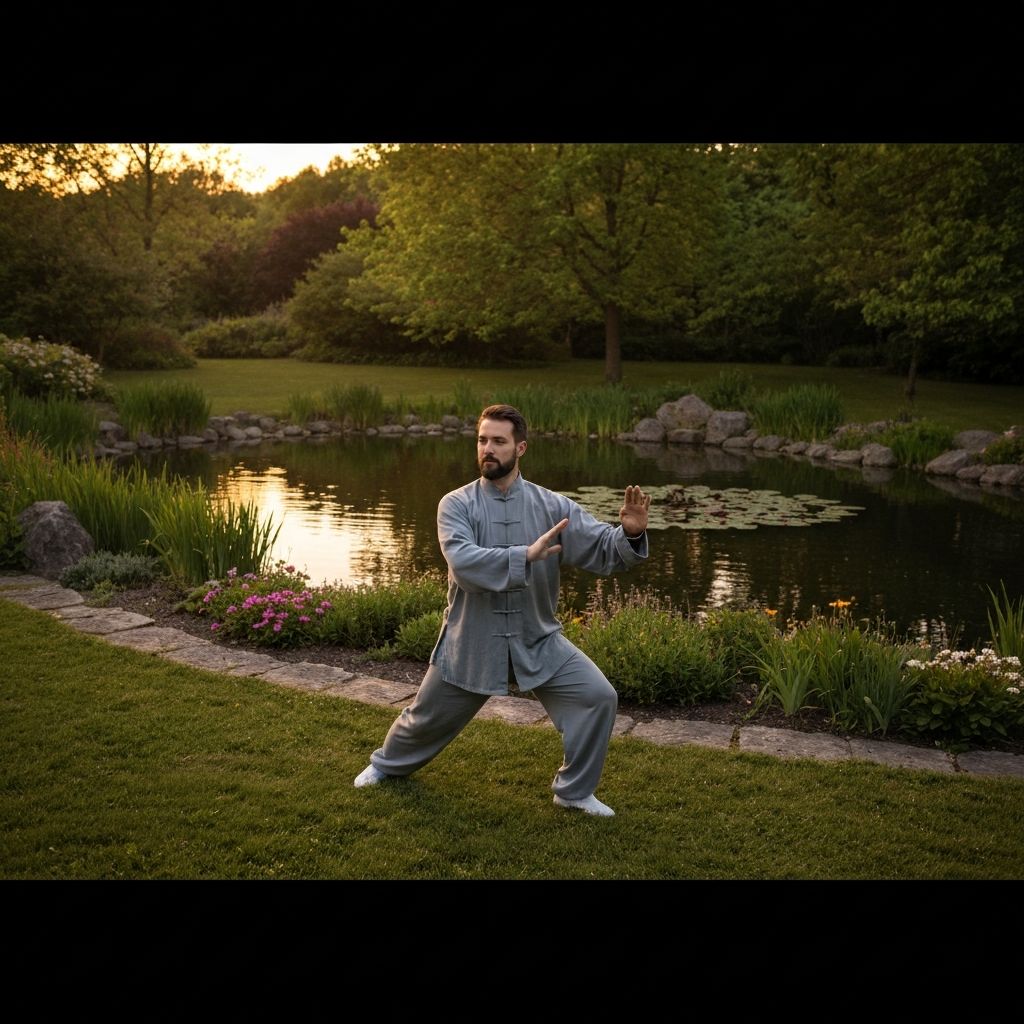
Movement is not inherently mindless. Yet in contemporary fitness culture, training often emphasizes external metrics—weight lifted, distance covered, duration completed—at the expense of internal awareness. Mindful movement represents a different philosophy: the integration of physical activity with conscious attention to sensation, breath, and the present moment. This approach transforms exercise from mere repetition into a practice of embodied awareness.
What Is Mindful Movement?
Mindful movement means bringing full attention to the experience of moving—noticing muscle engagement, breathing patterns, postural alignment, and sensations throughout the body. Rather than completing sets automatically, the practitioner remains present with the physical experience, adjusting as needed based on authentic sensory feedback rather than programmed form.
This approach differs fundamentally from movement practices driven solely by external standards. Instead of asking "Did I hit my target?", mindful movement asks "What am I feeling? What is my body communicating?" This reorientation develops body literacy—an increasingly rare ability to understand and respond to bodily signals.
Historical Perspectives on Conscious Movement
Ancient Martial Traditions
Practices like tai chi and kung fu integrated movement with philosophical principles dating centuries back, emphasizing flow, energy cultivation, and mind-body unity rather than pure physical exertion.
Twentieth Century Integration
Yoga, refined through ancient Indian traditions, gained global recognition. Pilates emerged in the early 1900s, emphasizing core strength, alignment, and controlled movement with conscious attention to form.
Contemporary Evolution
Modern functional training, applied mindfulness research, and somatic practices have merged ancient wisdom with contemporary biomechanics, creating diverse approaches to conscious movement.
Core Principles of Mindful Movement Practices
Breath as Anchor
Conscious breathing is fundamental. Unlike the Valsalva maneuver common in max-effort lifting—holding breath against closed airways—mindful movement integrates breathing throughout activity. Synchronizing breath with movement—inhaling during extension, exhaling during contraction—oxygenates muscles, regulates nervous system arousal, and anchors attention in the present moment.
Breath patterns reveal nervous system state. Shallow, rapid breathing signals stress or exertion. Deep, rhythmic breathing supports parasympathetic activation. By controlling breath, we influence both physical performance and psychological state.
Body Awareness and Proprioception
Proprioception—the sense of where your body is in space—develops through attention to movement. In slow, controlled practices like yoga or tai chi, proprioceptive development is explicit. In faster or more intense training, mindfulness practices can enhance proprioceptive sensitivity despite higher speeds.
This awareness prevents injury. When truly present with sensations, the body communicates limitations and discomfort before injury occurs. Alternatively, automatic movement often continues until pain forces cessation.
Progressive Challenge Within Capacity
Mindful movement emphasizes progression within genuine capacity rather than forcing beyond reasonable limits. "Listening to your body" is not weakness—it is intelligence. Progressive overload occurs when movement quality remains high; once form deteriorates or pain signals appear, continuing represents ego rather than wisdom.
This approach builds sustainable strength and resilience rather than injury and burnout cycles. A strength practice maintained consistently across decades outweighs months of intense effort followed by injury and inactivity.
Diverse Mindful Movement Modalities
Yoga: Integration and Flexibility
Yoga encompasses physical postures (asana), breath work (pranayama), and philosophical principles. Different styles offer varying intensity and philosophy—from gentle, meditative approaches to vigorous, strength-building styles. The common thread is intentional movement with attention to alignment and breath.
For men accustomed to achievement-oriented athletics, yoga offers counter-cultural benefits: flexibility, balance, and the legitimacy of non-competitive, non-performative movement.
Tai Chi: Flow and Energy Cultivation
Tai chi emphasizes slow, flowing movement, balance, and the internal cultivation of "chi" (energy). While the energetic framework reflects philosophical rather than purely biomechanical understanding, the practical benefits—improved balance, strength, and psychological calm—are measurable and substantial.
The slow pace makes tai chi accessible across ages and fitness levels while still providing genuine physical and psychological benefit.
Pilates: Core Strength and Control
Pilates centers on controlled movement with emphasis on core stability, alignment, and breathing. Originally developed for rehabilitation, it builds functional strength with exceptional body awareness. The structured progression allows continuous challenge despite minimal external resistance.
Functional Training: Strength with Awareness
Functional training applies mindful principles to strength and conditioning. Movement patterns respect biomechanical integrity while building practical strength. Unlike pure maximal strength approaches, functional training emphasizes quality movement, sustainable progressions, and integration with daily life.
The Psychology of Mindful Movement
Beyond physical benefits, mindful movement profoundly affects psychology. The practice of sustained attention during movement trains the mind itself—developing focus, patience, and non-judgmental awareness. Many practitioners report reduced anxiety, improved sleep, and enhanced emotional regulation following consistent mindful movement practice.
In a world of constant distraction and external stimulation, mindful movement offers something increasingly rare: legitimate excuse for sustained attention to internal experience without digital interruption. This uninterrupted internal focus may be as valuable as the physical adaptation.
Overcoming Ego and External Measures
Men often approach movement through a competitive, achievement lens learned in athletics. This orientation drives significant benefits but also creates risk of injury, burnout, and the prioritization of ego over genuine well-being. Mindful movement requires recalibrating toward internal feedback—sensation, breath, alignment—rather than external measures.
This recalibration need not abandon strength or intensity. Rather, it channels these capacities toward sustainable development. A person practicing with genuine awareness, respect for personal limits, and consistent progression will develop greater capacity across decades than someone driven purely by external standards.
Integration Into Daily Life
Formal practice—dedicated yoga, tai chi, or pilates sessions—provides essential structured development. Equally valuable is bringing mindfulness into everyday movement: consciously walking, sitting with alignment, maintaining awareness during daily activities. This integration transforms ordinary actions into practice.
The ultimate goal is not mastery of specific modalities but the development of sustained awareness that informs all movement and posture throughout daily life.
Educational Disclaimer: This article is for informational purposes only and describes general principles of mindful movement. Individual circumstances, injuries, or health conditions may require professional guidance. Consult qualified movement professionals or healthcare providers before beginning new physical practices.